

Hemp oil for Skin Treatment


There is very little risk of intoxication from hemp oil as all forms of hemp oil come from food-grain strains of hemp. The authors of a study in the journal Cannabis and Cannabinoid Research note that food-grain strains of hemp must contain less than 0.3 percent tetrahydrocannabinol (THC). THC is the compound that causes the so-called "high" of marijuana.
Hemp oil is not the same as cannabidiol (CBD) oil. The production of CBD oil uses the stalks, leaves, and flowers of the hemp plant, which contain a higher concentration of CBD, another potentially beneficial compound in the plant.
Hemp seed oil comes from the small seeds of the Cannabis sativa plant. The seeds do not contain the same levels of compounds as the plant itself, but they still have a rich profile of nutrients, fatty acids, and useful bioactive compounds.
Full-spectrum hemp oil that also contains plant matter may add other effective compounds, which may help with certain health issues, such as inflammation.
Skin health
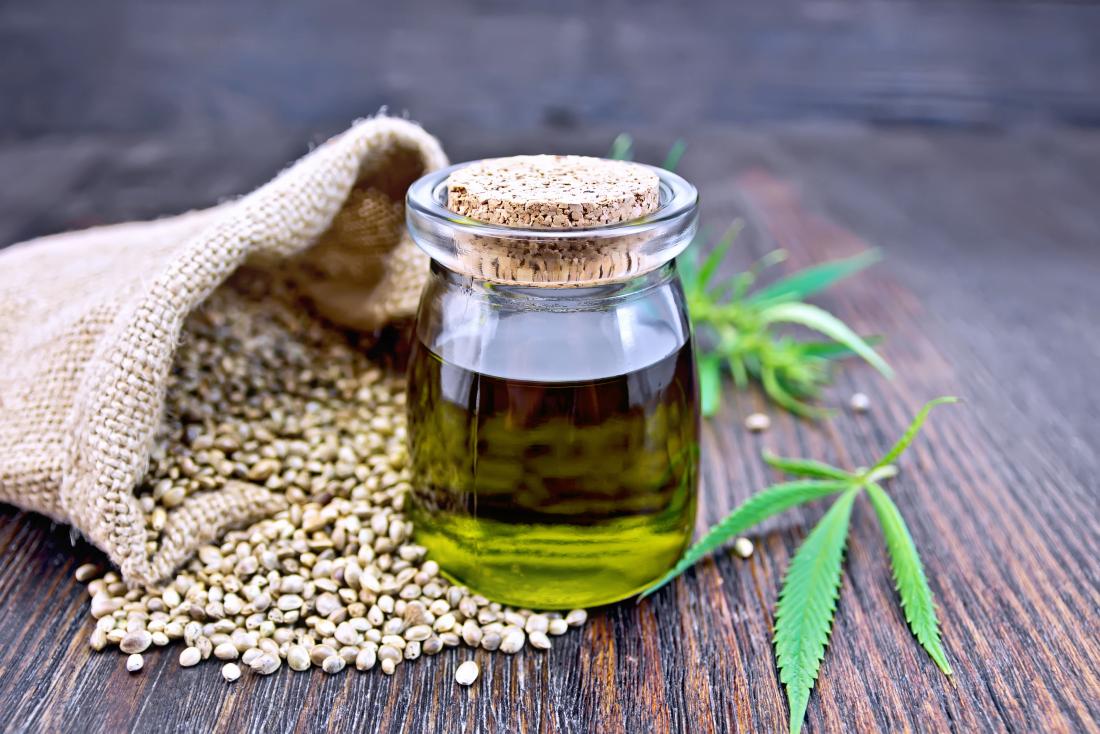
Hemp oil contains fatty acids that can benefit skin health.
The oil from the hemp seed is highly nutritious and may be especially helpful for the skin.
The vitamins and fatty acids in this oil may help keep the skin healthy and prevent breakouts.
A 2014 study looking at the lipid profile of hemp seed oil found that it is rich in healthful oils and fatty acids.
The abundance of fatty acids may make the oil an excellent choice for nourishing the skin and protecting it from inflammation, oxidation, and other causes of aging.
The authors of a 2014 review note that the topical application of hemp seed oil strengthens the skin and makes it better able to resist infection. The authors also suggest that hemp seed oil may be a helpful treatment for a range of skin issues, including:
- eczema
- dermatitis
- psoriasis
- varicose eczema
- lichen planus, an inflammatory skin condition
- acne rosacea
These benefits are likely to be due to the high quantity of beneficial fats and other helpful compounds in the oil.
Brain health
The fatty acid content of hemp seed oil may also be good for the brain, which requires plenty of healthful fats to operate properly. Hemp seed oil is also rich in other compounds that may help protect the brain.
A recent study in mice found that a hemp seed extract containing these active compounds was able to help protect the brain against inflammation. The authors note that hemp seed oil contains polyphenols, which may play a role in protecting the brain.
Although these initial results look promising, scientists need to carry out studies in humans to confirm the benefits of this oil.
Heart health
The comprehensive nutrient profile of hemp seed oil means that it may also be good for the heart. However, much of the information that is currently available comes from older studies or research that uses animal models.
An older study in the journal Nutrition & Metabolism highlights the nutrient profile of hemp seeds and notes that they might have a positive effect on various health issues, such as high blood pressure, atherosclerosis, and cholesterol levels.
A 2014 review concludes that an increase in alpha-linolenic acid, one of the fatty acids in hemp oil, appears to reduce the risk of cardiovascular disease. This fatty acid, which doctors call linolenic acid, is also present in fish oils and flaxseed oil. However, the researchers call for more clinical trials to confirm these results.
Full-spectrum hemp oil benefits
Full-spectrum hemp oil also includes plant matter, which adds additional compounds, such as CBD.
Although hemp seeds contain small amounts of these compounds, a higher concentration may bring some additional benefits to the body.
Natural pain relief
A person can use hemp oil to relieve inflammation pain.
Many people use hemp or CBD oil as a form of natural pain relief, especially if the pain is a result of inflammation.
Those who do not want to take over-the-counter or prescription pain medications may turn to a high-quality hemp oil for relief.
A 2018 review notes that CBD, one of the main compounds in full-spectrum hemp oil, and other cannabinoids show promise for the treatment of many types of pain.
However, most of the research to date is on mice.
While the current research suggests that CBD may be a helpful natural treatment for pain, more human studies could give these results more credibility.
Acne
The fatty acids in hemp seed oil may help balance the skin and prevent inflammation that can result in acne. The addition of CBD from the plant matter may also help clear acne.
A study in the Journal of Clinical Investigation found that CBD may affect the sebum glands in people with chronic acne, leading to reduced sebum production and potentially helping clear or prevent acne breakouts.
Muscle tension
Full-spectrum hemp oil that contains CBD may also help with general stress and tension in the muscles.
Like fatty acids, CBD has an anti-inflammatory effect on the body, which may help relieve the tension that many people carry from stress and promote recovery from exercise.
Rubbing a bit of hemp seed oil or full-spectrum hemp oil into tight muscles may help release tension and relax them.
Takeaway and future research
The research on hemp oil is still relatively new, particularly in the United States and other places where restrictive laws have prevented researchers from fully exploring the potential of cannabis plants until recently.
As CBD comes into more common use in an increasing number of areas, research into the potential benefits of full-spectrum hemp oil may expand. As a result, scientists may find more evidence to support the potential benefits of the plant or even reveal new benefits. In any case, the future of research on hemp oil looks promising.
There is also still a small risk of THC getting into the system, even from hemp seeds, which normally contain no THC. The THC could be present as a result of contamination with other plant matter. The results of a 2017 study show that some commercial brands of food-grade hemp seeds can have a THC concentration that is as much as 1,250 percent higher than the legal limit.
It is essential to ensure that hemp seed oil comes from a reliable manufacturer. The seeds and oil should be free of plant matter that may add additional compounds, such as THC.
Health benefits of hemp seeds
Although hemp seeds come from the Cannabis sativa plant, they do not produce a mind-altering effect.
These small, brown seeds are rich in protein, fiber, and healthful fatty acids, including omega-3s and omega-6s. They have antioxidant effects and may reduce symptoms of numerous ailments, improving the health of the heart, skin, and joints.
In this article, we look at the various benefits of hemp seeds and provide tips for adding them to the diet.
Nutritional benefits of hemp seeds
These seeds are full of nutritious compounds, including:
1. Protein
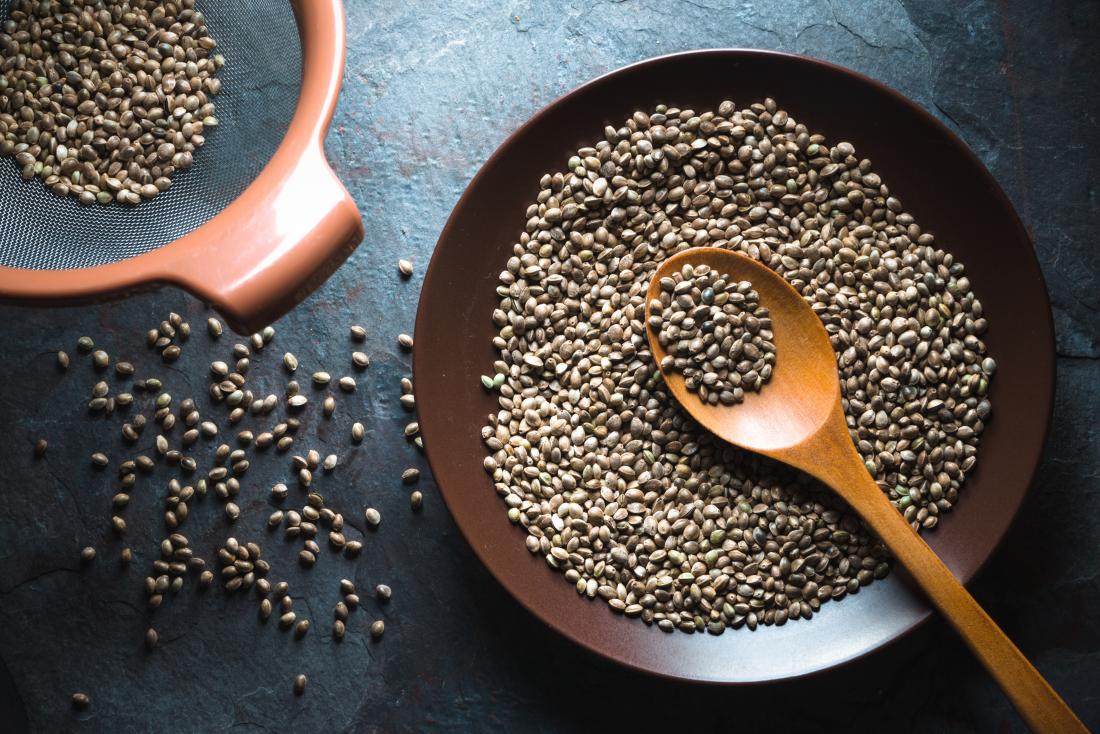
Hemp seeds are a complete source of protein, providing all nine essential amino acids.
Hemp seeds contain almost as much protein as soybeans. In every 30 grams (g) of seeds, or about 3 tablespoons, there are 9.46 g of protein.
These seeds are a complete source of protein, meaning that they provide all nine essential amino acids.
Amino acids are the building blocks for all proteins. The body cannot produce nine of these acids, so a person must absorb them through the diet.
Relatively few plant-based foods are complete sources of protein, making hemp seeds a valuable addition to a vegetarian or vegan diet.
Hemp seeds are especially rich in an amino acid called arginine, which has benefits for heart health.
2. Unsaturated fats
The health benefits of polyunsaturated fats, especially omega-3 fatty acids, are becoming increasingly well known.
Hemp seeds are a great source of essential fatty acids, such as alpha-linolenic acid (ALA), which is an omega-3.
The body cannot produce essential fatty acids, and the body must absorb them from the diet. They are crucial for long-term health.
The ratio of omega-3s to omega-6s is also important.
In general, people tend to eat too many omega-6s and too few omega-3s, but adding hemp seeds to the diet may help to promote a balance.
According to results of a 2015 animal study, incorporating hemp seeds and hemp seed oil to hens' diet led to eggs with increased levels of omega-3s in the yolks and a more healthful omega-3 to omega-6 ratio.
Also, hemp seeds are low in saturated fats and contain no trans fats.
3. Fiber
Much of the fiber in a hemp seed lies in its outer hull, or shell. If possible, purchase hemp seeds with the hulls intact.
However, even without the shells, hemp seeds are a god source pf fiber, with three tablespoons containing approximately 1.2 g of fiber.
Consuming enough fiber every day can:
- reduce the appetite
- help with weight management
- work to stabilize blood sugar levels
- promote the health of the gut
4. Minerals and vitamins
Hemp seeds contain an impressive array of vitamins and minerals and are especially rich in:
- vitamin E
- magnesium
- phosphorous
- potassium
They are also a good source of iron, zinc, and B vitamins, including:
- niacin
- riboflavin
- thiamine
- vitamin B-6
- folate
Health benefits of hemp seeds
Alongside the nutritional benefits, some research suggests that hemp seeds have a wide range of positive health effects. They may:
- 5. Protect the brain

The CBD compound found in hemp seeds may help with neurological conditions.
A study published in the journal Food Chemistry found that hemp seed extract has antioxidant effects in lab tests. These effects may result from the seeds' cannabidiol (CBD) content.Results of a review from 2018 suggest that CBD and other compounds in the seeds may have neuroprotective, anti-inflammatory, effects and may also help to regulate the immune system.The review suggests that, because of these potential properties, CBD may help with neurological conditions, including:- Parkinson's disease
- Alzheimer's disease
- multiple sclerosis
- neuropathic pain
- childhood seizure disorders
6. Boost heart healthThe medical community believes that omega-3 fatty acids improve the health of the heart and reduce the risk of issues such as arrhythmias and heart disease.Hemp seeds contain high levels of omega-3s and a healthful ratio of omega-3 to omega-6 fatty acids.The seeds also contain high levels of arginine, an amino acid that turns into nitric oxide.Nitric oxide is essential for artery and vein dilation, and it helps keep blood vessel walls smooth and elastic.Lowering blood pressure, eating a healthful diet, and participating in varied forms of exercise may help to decrease the risk of heart failure.7. Reduce inflammationThe amount of omega-3s in hemp seeds and the seeds' healthful omega-3 to omega-6 ratio can together help to reduce inflammation.In addition, hemp seeds are a rich source of gamma linolenic acid (GLA), a polyunsaturated fatty acid which may also have anti-inflammatory effects.Some studies on animals suggest that GLA can act as a potent anti-inflammatory. However, recent studies in humans suggest that the acid is not always effective.A review in The European Journal of Pharmacology states that humans process GLA in a very complicated way, which may explain why the studies in humans produce more varied results than those on animals.When looking at these studies, it is important to note that researchers usually use high concentrations of hemp seed extracts and that eating the seeds may produce less dramatic effects.Reducing inflammation may help manage the symptoms of chronic diseases, such as:- metabolic syndrome
- type 2 diabetes
- arthritis
- heart disease
- non-alcohol-related fatty liver disease
8. Improve skin conditionsAtopic dermatitis (AD) and acne can both result from chronic inflammation. The anti-inflammatory compounds in hemp seeds may help.Among other possible dietary causes, acne may be linked to a deficiency in omega-3s. The high omega-3 content in hemp seeds may help to manage and reduce acne symptoms.A 2018 review explored the effects of dietary changes on skin diseases. While the authors found evidence that eating more omega-3s may improve symptoms of acne, determining the extent of the effects will require more research.The authors also note that prebiotics and plant fibers may help to manage symptoms of AD. Hemp seeds are a rich source of plant fiber.9. Relieve rheumatoid arthritisRheumatoid arthritis is an autoimmune condition. It causes the immune system to attack its own tissues, which leads to inflammation in the joints.In 2014, research conducted in human cells suggested that hemp seed oil could have anti-rheumatic effects.However, a 2018 review found a lack of conclusive evidence to suggest that cannabinoids could effectively treat rheumatic diseases. The authors noted that more research is needed.Nutritional profile of hemp seeds
Hemp seeds contain plenty of protein, healthful fatty acids, and fiber.According to the United States Department of Agriculture (USDA), 3 tablespoons of hemp seeds contain 116 calories and the following nutrients:Protein 9.47 g Carbohydrates 2.60 g Fat 1.20 g Total fatty acids 14.62 g Monounsaturated fatty acids 1.62 g Polyunsaturated fat 11.43 g Saturated fatty acids 1.38 g Hemp seeds are also a healthful source of vitamin E and minerals, such as calcium, iron, magnesium, potassium, and zinc.
How to add hemp seeds to the diet
People can add hemp seeds to smoothies and cereal.
When considering the results of studies, it is important to note that researchers often use hemp seed extract, rather than whole hemp seeds.People can purchase shelled, ground, or split seeds. To remove the seeds' hard outer shells at home, a person can use a mortar and pestle or a food processor.Whole seeds act as a bulking agent, and they also add fiber to the diet, which can aid digestion.Try incorporating hemp seeds into the diet by:- sprinkling whole or ground seeds on cereal or yogurt
- adding the seeds to smoothies
- baking with hemp seeds and others rich in omega-3s
- making hemp milk at home using whole seeds
- sprinkling hemp seeds, along with other seeds or nuts, on a salad
People can find hemp seeds in some supermarkets, health food stores, and online.Online stores also offer other hemp products, such as hemp milk, which may be fortified with extra nutrients, and hemp protein powder, which is a plant-based alternative to whey protein powder.Risks
Although hemp seeds come from the cannabis plant, they ideally contain no tetrahydrocannabinol (THC), which is the active ingredient in cannabis.Hemp seeds will not produce a mind-altering effect.However, athletes and others who undergo drug testing should be aware that consuming hemp products can, in some cases, lead to failed urine tests. The level of THC in any hemp-based product depends on the suppliers and the manufacturing process.In Canada, the production of hemp seeds is tightly regulated to prevent cross contamination of THC from the cannabis plant.A legal principle in the U.S. prohibits people from growing hemp seeds with THC concentrations higher than 0.3 percent. The U.S. government also strictly regulates the importation of hemp seeds and hemp-based products.Takeaway
Hemp seeds have a rich nutrition profile. They contain high levels of antioxidants, fatty acids, minerals, and vitamins.The shells add fiber to the diet, and grinding the seeds helps the body to absorb more of the other nutrients.Some research has suggested links between hemp seeds and health benefits, but these studies tend to use extracts with high concentrations.While there are potential health benefits to consuming hemp seeds, avoid eating excessive amounts. There is evidence that some seeds contain levels of THC that exceed the legal limit.The most healthful choice is to eat a varied diet that contains a wide range of nutrients.


Post a Comment