

5 Myths Relating to Menstruation
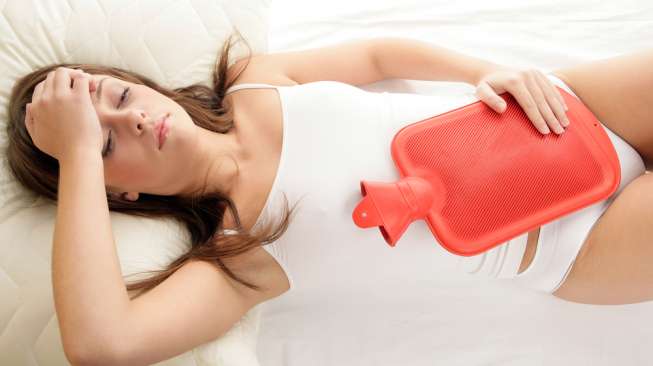
Myths surrounding menstruation (Photo: shutterstock)
Some of the myths surrounding menstruation that are still believed today, what are they?
Sometimes some women still believe in things that are considered 'taboo' in menstruation . They feel there will be a bad impact if they continue to do the taboo.
Even though this has not been proven true, especially in terms of medical.
Here are some myths about menstruation that are still believed by some women, according to Very Well Health.
1. Don't wash your hair or take a shower during menstruation
There is absolutely no reason for women to be prohibited from washing their hair or bathing during menstruation. In fact, a warm bath is actually very good and can relieve cramps and premenstrual tension.

2. You may not swim
It is very safe to swim during menstruation. To absorb menstrual blood during swimming, use a safe tampon.
On the other hand, if you hear about blood, it stops when you swim, that's also not true.
"No matter you are in the water or on the mountain or anywhere, menstrual blood will still come out," said obstetric and gynecology specialist Michele Haughton, MD, from Weill Cornell Medicine and New York-Presbyterian.
3. May not exercise or engage in strenuous activities
You can do anything during menstruation that you can do when you are not menstruating.
In fact, we know that regular exercise helps reduce painful menstrual cramps. You can always take anti-inflammatory medication if menstrual cramps make it difficult for you to exercise.
4. Having sex during menstruation is not healthy
Having sex during menstruation for some women is indeed considered uncomfortable.
Actually, there are no health risks due to sexual intercourse during menstruation. There are even studies that show love can relieve menstrual cramps.
5. Having sex during menstruation does not cause pregnancy
There is still the possibility of getting pregnant from having sex during menstruation. You need to ovulate to get pregnant, and that usually happens after menstruation is complete.
But if you have a cycle that is irregular or bleeding a little longer than the average woman, your fertile period is likely to overlap with the menstrual period.
Unless you use hormonal contraception.
The most important thing here is to still apply healthy sexual relations, namely using safety when doing it during menstruation.


Post a Comment